A business plan is a formal written document which outlines the goals of a business and ways of attaining those objectives.
Essential elements of a business plan
Business plans are essential to small businesses. They provide you with direction, help you stay focused on key activities and are required when seeking investment or finance.
At their core, business plans have 5 basic pieces of information. They include a description of your business, an analysis of your competitive environment, a marketing plan, a section on HR (people requirements) and key financial information.
The following is an explanation of the 5 key elements to a business plan.
1. Your business description
Your business description should give a brief, simple explanation of your business. Don’t go into too much information, as those reading it will either be short on time or have little understanding of your specific business.
The goal with your business plan is to be pragmatic, so include what the business is, the products or service you are (or will) provide and who your target audience is.
2. Your competition
Are your competitors someone in the same shopping strip or centre, or someone else local? Is your competition not defined by geographic location? Is the focus more on industry segment, or product/service? Is your business online, competing with others in this space?
The goal of defining your competition is as much for you as anyone reading your business plan. Do your ‘due diligence’ and thoroughly research your market. Try to determine who are the most successful players in your space and identify what makes them a success (e.g. product offering, best pricing, superior service). Once you have this information you then need to assess how you can beat them, however, it’s important to be realistic.
If they are a success because they have 20,000 products, don’t say you can beat them by having 21,000 products. The same with price. If you’re only focused on being the cheapest, then the person who’s willing to drop their price further will win. This ends up a race to the bottom and is an unsustainable business strategy.
Additionally, make sure you have ‘best case’ and ‘worse case’ scenarios of your modeling. Most small businesses overestimate their impact and projections in the short term, which is why they don’t survive long term.
3. Your marketing
Unless you have experience with marketing, this one may be a little bit hard. The first thing you need to do with your marketing is develop a ‘positioning statement’. A Positioning Statement is an organisational statement that defines the benefit of your product/service to your target customer and states how you’re different from your competitors. Once you have this statement, you can then start working on your marketing strategy.
Your marketing strategy should focus on the channels that are right for you. Most will include a website. If you’re in the consumer space, you may also focus on social media channels such as Facebook, Instagram, Twitter and Google+. If you’re in the B2B space, you may focus your social media activity around LinkedIn. You may also want to consider PPC (Pay Per Click) advertising, which is available on most online and digital channels.
The most important considerations with a marketing plan are knowing where your market is, knowing how to access them, and knowing what will create a ‘call to action.’
4. Your people
Does your business have face-to-face engagement with customers, or are your relationships digital? Do you currently have a team of people in place? If so, who are they, and what skills and experience do they bring to the table. If not, what people and skills do you need and for what roles. Most businesses still ultimately rely on people to be successful. Make sure you have the right people in the right roles.
With the ‘people’ section of your business plan, it’s helpful to create an organisational chart that includes roles and responsibilities. This organisational chart should also identify the people gaps that you may need to fill.
From an investor’s perspective, they want to see that you have your team in place and that they have the relevant experience to make your business a success.
5. Your Financial Data
This is where it’s important to have some basic bookkeeping and accounting skills. If you don’t have them, talk to Bizally for assistance.
Your business plans need to include a balance sheet (this outlines your current financial position in a universally accepted format), and your current profit and loss statement (also in a universally accepted format. Again, Bizally can help). Your financials should also include your income sources and costs (such as wages, rent, and other costs).
If you’re a start-up, your business plan should include start-up costs (such as plant, business registration, fit out ETC), at least the first year’s financial statements and a cash flow budget. The purpose of these figures is to demonstrate that you know where you’re going and how you’re going to get there. Depending on your sector and offer, try to create realistic cash flow projections over at least a 3 to 5 year period. This helps both investors and those providing finance that you have a strategy going forward.
10 Aspects of What Makes a Business Work (And Why They’re Essential) It can seem as if all it takes to get a business off the ground is a smart idea and a plucky attitude, but the reality is that there’s a lot of hard work, learning, patience and a good dose of luck required as well. Running a business requires a huge number of different elements; as an entrepreneur, you don’t have to master all of them yourself, but you do have to ensure that someone in your team is looking after each of them. And that means understanding why each element is so important to the success of your business. Here’s our look at what it takes to make a business thrive.
1. A USP
Are you sure someone will want to buy him a moped? A USP is a unique selling point – the thing your business does that no one else does. It might be that you’ve come up with something completely innovative that no one else in the world does – the world’s first hamster moped company? Or it might be that you’ve found a more prosaic gap in the market, such as noticing that there’s no corner shop within a comfortable walk of a new housing development. Whatever it is, having a USP is vital – it’s the answer to so many questions from, “why should I invest in this business?” to “why should I buy this product?” If you can’t answer those questions, your business probably isn’t going to succeed. Don’t make the mistake of thinking your product has to be completely unique to have a good USP. That’s not what this is about. A USP is simply the thing that differentiates you from your competitors – so it could be that you’re doing something that dozens of other companies also do, you just do it cheaper, or your product is higher quality, or you’ve ironed out one minor irritation that you think will be enough to make customers favour you.
2. A strategy
Unfortunately, your strategy is likely to look less pretty than this, and a lot more spreadsheet-y. The best idea in the world is no good if you can’t make it happen. Having a strategy means being able to deliver on that idea. The huge numbers of people in the world who firmly believe they have an idea that will make them rich, and who fail to ever put that idea into practice demonstrate how challenging that can be. If your idea feels obvious, it might be that no one’s ever put it into practice because that’s where they come unstuck, whether it’s because getting a permit for a corner shop in that area is difficult or because there are very few factories with the capacity to produce miniaturised mopeds. A strategy should cover the next three to five years (or longer, if appropriate). It’ll address how you plan to get your business off the ground (include where you hope to get the money to launch your business from), what products you will produce and what you might expand into in future. Looking at your strategy, you should be able to answer questions about your business such as what your top priorities are, and at what point you’ll be in a position to turn a profit.
3. Competitor analysis
It’s important to keep a close eye on the competition if you want to get ahead. So you’ve got an amazing idea and you know how you’re going to make it happen. Great! But do you know what the competition looks like? Your competition are the people you’re going to be sharing trade shows with, competing for investment with, having people get your company confused with, and above all, trying to get customers from while keeping your customer base from falling into their hands. To make all of that work, you’ll need to know their businesses nearly as well as you know their own. You’ll need to keep your brand distinct from theirs, make sure that your USP truly is unique, and constantly ensure that you are doing better than them, whether that’s offering a cheaper, more convenient or higher quality product than they do. Otherwise, you’ll have put all of that work into getting your business up and running, only to find your customers choosing your competitors over you. That means browsing their websites, ordering the catalogues, keeping track of their marketing activities, scrutinising them on Companies House and generally making sure you know as much about them as you possibly can.
4. Marketing
This would be the most ridiculous marketing stunt on Earth… except that it’s not on Earth. Lots of people – even successful entrepreneurs – are disdainful of marketing. They claim that advertising doesn’t work, and successful products will earn a reputation through word of mouth. Famously, Elon Musk – CEO of SpaceX and Tesla Motors – spends no money on advertising his companies. But this is a gross misunderstanding of what marketing is. Part of it can be advertising, which decidedly does work – while you might never have consciously decided to buy a particular company’s product as a result of advertising, you probably aren’t aware of all the times that advertising made you aware of a new product, or helped increase your familiarity with a brand name, and therefore made you likelier to buy. But marketing goes far beyond this, into branding, communications, customer service and more. Elon Musk doesn’t spend money on advertising – but he was responsible for one of the most expensive marketing stunts in history, when he put a Tesla Roadster on a SpaceX rocket and fired it into space. It probably didn’t make anyone put in an order for a Tesla car there and then, but it meant that many, many more people had heard of the company and that will undoubtedly influence their purchasing decisions in future.
5. Customer service
Don’t leave your customers wondering when they’re going to hear back from you. You can never invest too much in outstanding customer service. Some businesses manage without it – a few rare exceptions, like Ryanair, even manage to make a selling point out of how badly they treat their customers. But for most businesses, treating customers well is a priority; you want your customers to come out of every interaction with your business feeling content with how it went, or, better yet, with their expectations of service surpassed. What does great customer service include? It’s not just about how you navigate your immediate interactions with customers, whether via email, over the phone, through social media or in person (though obviously these things are important). It’s also about how easy it is to navigate your website, how generous you are about refunds, whether your pricing structure is clear, and a myriad other things that could irritate or delight your customers depending on how you approach them. Customer service has a big overlap with marketing, and part of good customer service is living up to your marketing promises. That’s how Ryanair gets away with it – their marketing suggests that though their customer service is poor, the customer will still benefit from how this keeps prices down. Companies that promise good customer service are penalised much more harshly by customers who feel they’ve let them down.
6. Record-keeping
Your records don’t need to look like this, but you do have to keep track somehow. Anyone who’s had a long career will have had this experience: working somewhere where there’s one person (frequently an administrator, PA or receptionist) who would know the answers to every possible question about the business. How much of a profit did we make in 2011? This client name sounds familiar, why is that? Where do we keep the box of treasury tags that we use about once a year? Whatever the question is, they’re the go-to person for the whole company. And then they leave the company, and no one knows the answers to anything. The solution to this is good record-keeping, from the start. There are some records that you have to keep for legal purposes, but those shouldn’t be the only records that you keep. It might seem like a lot of effort, but you’ll be grateful when you come to fill in your tax return. As a rule, your company should be able to survive without the knowledge held by any one individual – otherwise the survival of your company is only as reliable as that person’s continuing commitment, motivation, or health.
7. A great team
No one person can embody all the strengths a successful business requires. While it’s best to avoid depending completely on one individual, it’s also important to build up a good team who you can rely on collectively. Remember that you also don’t want to be in a position where the success of your business depends on you; ideally, you should have a team in place so that if you end up in an accident and wake up from a coma three months later, you’ll find that your business has been ticking along just fine without you. In establishing a business, your aim, in the long run, should be to make yourself dispensable. What makes a great team is a larger question than we have room for in this article. You’ll need people who make up for the areas where you are inexperienced or that don’t play to your strengths. At the beginning, if you’re relatively inexperienced, you will want to hire people who can hit the ground running; later, you may want to transition to hiring on the basis of potential, to build the best possible team you can.
8. Capital
Raiding your piggy bank is unlikely to produce the kind of funds that starting a business requires. Unless your business is based around an app that you’re creating in your bedroom and marketing through word-of-mouth, you’ll need capital to get it off the ground. Without capital, there’s nothing to pay your team’s salaries (or your own) until the business becomes profitable; nothing for marketing to grow your customer base; nothing to keep the lights on in your office. Where can you get capital from? Maybe you have some of your own money to invest, or generous friends and family members who are willing to support you. (Beware: if your business goes under, it can take your friendships with it). Then there are investment companies, though their support is hard to win. Or there are traditional loans, if you can persuade your bank that you will be able to pay it back.
9. A good network
Networking is about more than just eating canapés and making small talk. ‘Networking’ can sound like nonsense, an excuse to waste time in chat rather than doing the hard work of growing your business. But networking can be just as vital (and just as challenging) as poring over spreadsheets or writing the perfect pitch for investors. Your professional network acts as a source of all sort of things: you might get a connection to a possible investor, or a brilliant employee who is just what your team was missing, or a prospective client. Even if your network doesn’t solve your problems this directly, professional contacts can be an invaluable resource when you’re new to the world of business in providing advice and mentorship. Your network shouldn’t just be professional, though. Running a business is hard work, and getting one off the ground is even harder. You’ll need the support of friends and family, who might not be able to help you decipher corporation tax or figure out the best way to position your product in relation to your competitors, but will be there to give you a hug and a cup of tea when you need it.
10. A good balance of adaptability and determination
You need the determination to keep going, even if it’s slow. Sometimes, succeeding in business is about powering through, hitting the low points and riding them out until your business is on the up again. But sometimes, the opposite is required: knowing when your approach just isn’t working, and you need to adapt and move on if your business is going to survive in any form. And of course, you need to have the ability to figure out which response is appropriate when times get tough. Some of this is about knowledge and experience – if not yours, then that of your team and professional network, who can advise you on how to act. But some of it is just down to instinct, especially if you’re facing hurdles at an early stage when your team consists of you and the office goldfish. Running a business requires judgment, resilience and the ability to let go of an idea that isn’t working, even if it’s something that you were passionate about. It isn’t easy, but the rewards are worth it. Good luck!
Transaction of international monetary business, as between governments or businesses of different countries.
The highest currency in the world is the Kuwaiti Dinar. Also, contrary to what most people think, the British Pound is not the highest currency in the world today; however, it is one of the top 10 highest currencies in the world.
You might be shocked to learn that there are few other currencies that have higher values than the pound sterling and the U.S. dollar. In this article, we will list out for you the top 10 highest currency in the world in 2021.
The top 10 highest currencies in the world are:
1.Kuwaiti Dinar 2.Bahrain Dinar 3.Oman Rial 4.Jordan Dinar 5.British Pound Sterling 6.Cayman Islands Dollar 7.European Euro 8.Swiss Franc 9.US Dollar 10.Canadian Dollar
The currencies we have here can also be said to be the strongest currencies in the world today because of their high value and high purchasing power.
However, while going through our list of the top 10 highest currencies in the world, you would find out that these currencies are not even tied to the top 10 richest countries in the world.
That is to say, most countries with the highest currency values are not even the richest countries in the world by GDP per capita.
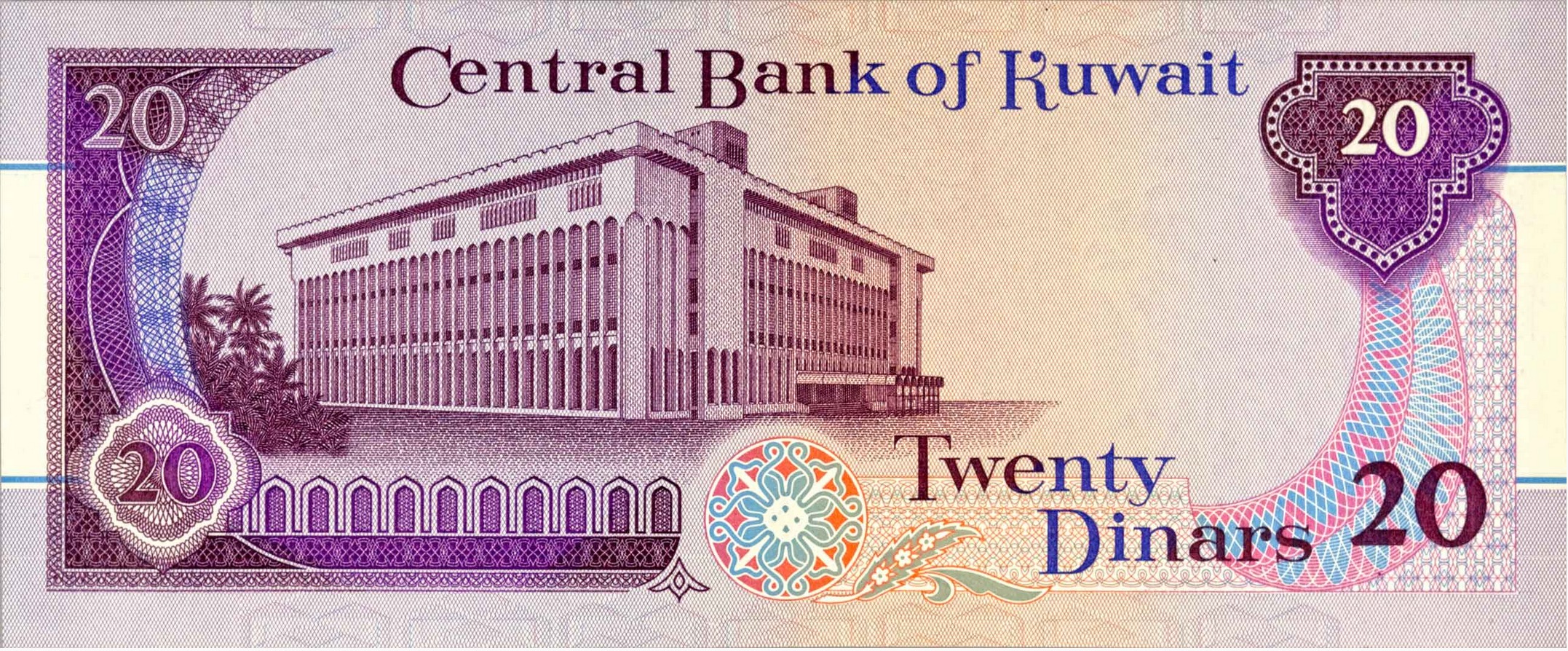
1. Kuwaiti Dinar
Kuwaiti Dinar is the highest currency in the world in 2021 Kuwaiti Dinar is the highest currency in the world in 2021
The Kuwaiti Dinar is the highest currency in the world in 2021. The code for this currency is KWD. One Kuwaiti Dinar equals 3.30 USD or 2.73 EUR.
1 KWD = 3.30 USD
1 KWD = 2.73 EUR
With one Kuwaiti Dinar being valued at above 3 US dollars, this currency is considered the highest and strongest in the world.
Kuwait is a country known for its great exploits in the oil industry. It has a globally stable economy. Even though a small country, Kuwait, has amassed a great deal of wealth.
Kuwait Dinar is the only currency in this list which its country (Kuwait) made it to the list of top 10 richest countries in the world based on GDP per capita. This goes a long way to show that this country is doing well for itself.
Kuwait also has a low unemployment rate and is one of the tax-free countries in the world today.
2. Bahraini Dinar
Bahraini Dinar is the second-highest currency in the world. The Bahraini Dinar is the currency used in Bahraini, a small country in the Persian Gulf
The Bahraini Dinar is the second-highest currency in the world, with the currency code BHD. One Bahraini Dinar goes for 2.66 USD or 2.20 EUR.
1 BHD = 2.66 USD
1 BHD = 2.20 EUR
Bahrain is a nation located in the Persian Gulf and has a few populations (just over 1 million inhabitants).
The BHD is pegged to the USD dollar rate. The interesting part is that the exchange rate between these two currencies has remained stable since 2005.
The BHD came into existence in 1965. It has a fixed exchange rate, and for this reason, its high value doesn’t really match the economy of Bahrain.
It is notable to add that while Bahrain does not make it to the list of the top 10 richest countries, it is the 5th richest Arab country, with its economy ranked as the 23rd in the world.
Bahrain’s largest source of income is through exporting ‘black gold’. Bahrain is also known for other natural resources like date palms, oils and beaches.
3. Oman Rial
currency in the world. Its currency code is OMR.
One Oman Rial is equivalent to 2.60 US dollar or 2.15 Euro.
1 OMR = 2.60 USD
1 OMR = 2.15 EUR
One Oman Rial is divided into 1000 Baizas. A baiza is the coin and monetary unit of Oman.
Oman is a small Arabic country located on the southeast coast of the Arabian Peninsula. With its display of arts and culture, it is a breath of fresh air.
The country generates most of its revenue from tourism and agriculture. Its economy is developed and offers its citizens a high quality of life.
The Oman Rial has a high purchasing power, and just like the Bahrain Dina, it is also tied to the US Dollar.
4. Jordan Dinar
The fourth highest currency in the world is the Jordan Dinar The Jordan Dinar is the currency used in Jordan. It is the fourth highest currency in the world
Jordan Dinar with the currency code, JOD is the 4th highest currency in the world. One Jordan Dinar equals 1.41 US dollar or 1.16 EUR.
Jordan has a currency with a very high value, but interestingly, the country is not economically developed as it doesn’t have some essential natural resources such as oil.
The Jordan economy is classified under ’emerging market economy’. As of 2019, the country had a GDP of $44.4 bn, thus, making it the 89th worldwide.
With one Jordan Dinar equivalent to 1.41 US Dollars, it is rated one of the world’s strongest currencies.
5. British Pound Sterling
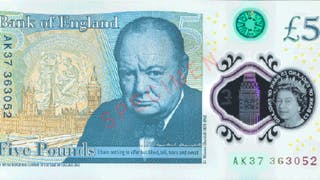
The British Pound sterling is the fifth highest and strongest currency in the world The British Pound sterling is the fifth highest and strongest currency in the world
Many people would expect that the British Pound Sterling will top this list of the top 10 highest currencies in the world, but it is actually the 5th highest currency in the world in 2021.
The currency code for British Pound Sterling is GBP. One British Pound Sterling equals 1.37 US dollar or 1.13 Euro.
1 GBP = 1.37 USD
1 GBP = 1.13 EUR
British colonies give out their own currency, which is quite different from that issued by the Bank of England. However, they are all valued as 1 equal to 1.
This means there are different British pounds currencies such as the North Ireland, Scottish, Jersey, Manx, St. Elena Island Pound and Falkland Islands Pound, all bearing the same value.
6. Cayman Islands Dollar
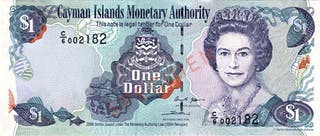
Cayman Island Dollar is the 6th highest currency in the world One Cayman Islands Dollar is equal to 1.22 US dollar
The Cayman Islands Dollar also makes it to the list of the top 10 highest currencies in the world as the 6th strongest currency worldwide.
The currency code for the Cayman Islands Dollar is KYD. One Cayman Islands Dollar equals 1.22 US dollar or 1.01 Euro.
1 KYD = 1.22 USD
1 KYD = 1.01 EUR
The Cayman Islands is a British Overseas country located in the West Caribbean sea that governs itself. It consists of three Islands, Cayman Brac, Grand Cayman and Little Cayman.
These Islands are among the world’s best when it comes to tax. They have provided licenses for numerous hedge funds, banks and insurance companies.
The value of the Cayman Island Dollar in the United States Dollar is determined by the governor. This is according to section 22 of the 2013 Revision of the Monetary Authority Law.
Today, thanks to Cayman Island’s leadership, one Cayman Islands Dollar is approximately 1.22 US dollars; thus, putting the currency on the list of the top strongest currencies globally.
7. European Euro
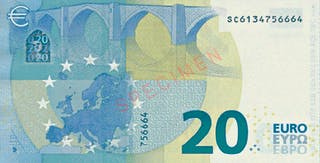
The European Euro is the seventh highest currency in the world and the second reserve world currency. The European Euro is the seventh highest currency in the world and the second reserve world currency.
Just like the British Pound Sterling, the European Euro is popular among nations of the world. This popular currency is the 7th highest currency in the world in 2021.
The European Euro’s currency code is EUR. One European Euro is equivalent to 1.21 US dollar.
1 EUR = 1.21 USD
Actually, the value of the Euro has increased over the past years to the point where it rose to be enlisted as one of the most powerful world currencies.
However, this currency’s high value is not surprising, considering that it is the official currency adopted by the European continent, where you will find many economically developed countries.
It doesn’t end there; the Euro is the second reserve world currency (after the US Dollar taking up as much as 22.2 per cent of all world savings.
8. Swiss Franc
The Swiss Franc is among the strongest and highest currencies in the world today The Swiss Franc is among the strongest and highest currencies in the world today
The Swiss Franc is another currency that has high value. In fact, it is the 8th highest currency in the world in 2021.
The Swiss Franc’s currency code is CHF. One Swiss Franc equals 1.12 US dollar or 0.93 Euro.
1 CHF = 1.12 USD
1 CHF = 0.93 EUR
The Swiss Franc is the currency used in Switzerland. Switzerland has a stable economy and happens to be one of the richest countries in the world.
According to the United Nations data in 2016, Switzerland is the third richest landlocked country based on GDP.
The country is well-known for its high-tech products and has been running on a ‘bank secrecy’ banking system.
The Swiss Franc banknote has an extraordinary look. It is perhaps, the only banknote in the world that has a vertical view.
9. US Dollar
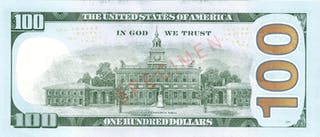
The US dollar is the 9th highest currency in the world The US dollar is the world reserve currency which means it is accepted by all countries of the world
Almost every reader would have been scanning through to see where the US dollar falls in this list. Well, here we are. The US Dollar is the 9th highest currency in the world in 2021.
The currency code for the United State Dollar is USD. One US dollar equals 0.83 Euro.
1 USD = 0.83 EUR
Because the United States is seen as the world’s economic leader (even though it is at loggerheads with other world powers like China), its currency has gotten the title of the ‘World Reserve Currency’.
What this means is that the US dollar is accepted anywhere, and you can make payments in the US dollar in any country in the world.
10. Canadian dollar
Just The Canadian dollar also informally called the ‘loonie’ is one of the most powerful currencies in the world The Canadian dollar also informally called the ‘loonie’ is one of the most powerful currencies in the world
Last on our list of the top 10 highest currencies in the world in 2021 is the Canadian dollar. Canadian currency is one of the most powerful and most valuable currencies in the world.
The currency code for the Canadian dollar is CAD. One Canadian dollar is equal to 0.79 US dollar and 0.65 in Euro.
1 CAD = 0.79 USD
1 CAD = 0.65 EUR
The Canadian dollar is informally referred to as the ‘loonie’ in honour of the birds displayed on its one-dollar coin.
Currently, the Canadian dollar is the fifth largest reserve world currency.
Because the times are changing and political and economic systems are not stable most countries are unable to retain their positions in this ranking of top highest currencies in the world.
In fact, some currencies which were once enlisted as the top 10 highest currencies globally have fallen off the top of the ladder in recent years.
Examples of such currencies with high value include the Australian dollar, Libyan dollar and Azerbaijani manat.
Looking for a great business idea? These ideas will help you start and grow a successful business in 2021
Many of the best small business ideas for 2021 involve an online business model. Choose a business idea that you are knowledgeable and passionate about. Before starting a business, determine if there is a demand for what you want to TODAY’S BUSINESS provide. This article is for anyone looking for an idea to start a business. You know you want to start a business If you are thinking of starting a business in 2021, it is critical to take the new normal into account. The COVID-19 pandemic has changed so much about how people consume products and services. While starting a retail business or restaurant might have been good ideas previously, you might be best served to reconsider those thoughts until you see how the next year plays out. Instead of some more traditional businesses, think about those that can support how people are now living their lives. No matter what type of business you pursue you’ll want to create a sound business plan, but many of the ideas on this list only require a credit card processing partner to accept payments to get started.
This list of business ideas includes 21 great types of business to help you find success in 2021 and beyond. If you find an area you want to pursue, be sure to review the steps for how to start your own business.
21 great small business ideas If you’re ready to run your own business, consider any of these great business ideas.
1. Consultant
If you are knowledgeable and passionate about a specific topic (business, social media, marketing, human resources, leadership, communication, etc.), starting a consultant business can be a lucrative option. You can start your consulting business on your own, then grow your business and hire other consultants over time.
2. Online reseller
Those passionate about clothing and/or sales may want to consider starting an online reseller business. Although it takes a lot of time and dedication – and an eye for fashion – this is a great idea that you can start as a side hustle and turn into a full-time resale business. You can start by using online store websites like Poshmark and Mercari to sell your unwanted clothing, eventually expanding to your own resale website.
3. Online teaching
The demand for online education has opened up a wide possibility for entrepreneurs to start their own ventures. Since this is an online business idea, you can choose any subject you are knowledgeable about and teach a course regardless of your location. If you don’t have advanced knowledge in any particular subject, you can always consider teaching English as a foreign language online to students
4. Online bookkeeping
As with education, technology allows many bookkeeping services to be performed online. If you are an accountant or bookkeeper who wants the freedom and autonomy of running your own business, you can take advantage of modern technology to start your own online bookkeeping service, taking on other companies as clients
5. Medical courier service
If you have a reliable vehicle and good time management skills, you may want to consider creating your own courier service – more specifically, a medical courier service. As a driver, you would be responsible for transporting medical items like lab specimens, prescription drugs and equipment. The healthcare industry is expanding, which is great for medical courier service job stability. You could start your courier business on your own or hire other drivers to work for you.
6. App developer
If you are knowledgeable and experienced in technology, you may want to consider a career in app development. Smartphones have become an everyday accessory for many Americans, which has increased demand for mobile apps. Similarly, virtual reality software has become popular in recent years, so there is also a demand for VR app development.
7. Transcription service
If you have a good ear and can type quickly, a transcription service is a great business idea that allows you to work from home with a flexible schedule. Medical transcription services are especially needed as voice recognition technology proliferates for healthcare provider dictation. If you’re not looking to start all at once, or if you have a day job you would like to keep for the time being, you can accept as few or many transcription jobs as you’d like. To boost your business prospects and justify charging more, consider becoming a certified transcriptionist and delving into a few specialties.
Medical transcriptionists typically charge 6 to 14 cents per line of transcription, which can quickly add up. The typical turnaround time for transcription work is 24 hours, so it’s important to stay on top of the jobs you accept. However, the flexibility to accept only a few requests to get started means you can scale up as you are ready, making transcription an easy service to start up slowly. Best of all, there is very little startup cost and overhead. You simply need a computer, the appropriate software and a secure messaging service
8. Professional organizer
Looking for a business idea that can really “spark joy”? Professional organizers, like Marie Kondo, help people declutter and minimize for a living. In an age of materialism, many people are desperate to downsize and take control over their possessions, rather than letting their things possess them. Minimalism is becoming extremely popular, but people often find it hard to part with things they’ve owned for a long time. Part of being a professional organizer is helping clients develop a system for downsizing and keeping things that way.
If you’re a highly organized person who enjoys making spaces functional and comfortable, you might be good at coaching others to do the same. People will pay you to help them devise a method of minimizing their possessions and then maintaining an organized space. To promote your business, ask if your clients will let you take before and after photos of the areas of their homes you’ve organized, and use those to create a portfolio that you can put on social media to attract more clients
9. Cleaning service
If you like to clean, you can easily turn it into a business. With a few staff members, a host of cleaning supplies and transportation, you can offer cleaning services to homeowners, apartment complexes and commercial properties. Most cleaning services charge between $25 and $50 per hour. Cleaning services are straightforward businesses that require relatively little overhead; you simply need planning, dedication and marketing to get your business noticed.
If you’re looking to differentiate yourself from other cleaning services, consider adding premium options like floor waxing or exterior power washing for an additional fee. These services could be the deciding factor between your new cleaning service and seasoned companies that maintain too large a client list to provide that level of cleaning.
10. Freelance copywriter
If you’re a natural wordsmith with a bit of marketing knowledge, you can establish yourself as a freelance copywriter. Whether you write blogs, web content or press releases, plenty of companies will pay for your services. You can increase your value by bringing SEO knowledge to the table to help your clients craft a strategy to attack specific keywords that their target audience is already using in their online searches. Most freelance copywriters charge $40 to $50 per hour, but those with expertise in a given vertical could charge even more.
Freelance copywriting is a great business to run, because as long as you have an internet connection, you can work. It’s a business that you can operate from the comfort of your own home, or even from the road if you travel. If you establish a large enough network and gain referrals from satisfied clients, you could even make freelance writing your full-time job.
11. Home care service
A background in care and hospitality can go a long way to support housebound seniors who require in-home care. It’s also a service for which demand is only going to grow. According to the National Institute on Aging, between 2010 and 2050, the 85-and-over population is projected to increase 351% globally, and the global number of centenarians (those over age 100) is projected to increase tenfold. Many will need care and assistance, oftentimes in their own homes.
Luckily, you don’t need a background in healthcare to help seniors and grow a successful business at the same time, although those skills are certain to be in demand as well. Many seniors need help with everything from errands to repairs around the house. With some experience, you could consider growing your business to help seniors transition from their homes to assisted living facilities, offering services such as packing, transporting, setting up, or storing their furniture and possessions.
12. Translation service
According to research from IBISWorld, the translation services industry saw a decline in 2020, as did many industries; however, it is projected to rebound nicely in 2021. That projected growth isn’t surprising, as the internet has opened up entrepreneurs in other countries to English-speaking markets and vice versa.
This trend has created an opening for multilingual speakers to offer specific services, such as document translation and the translation of website information into languages for use in other markets. If you know multiple languages, carving out a niche in the translation services industry could be a successful endeavor.
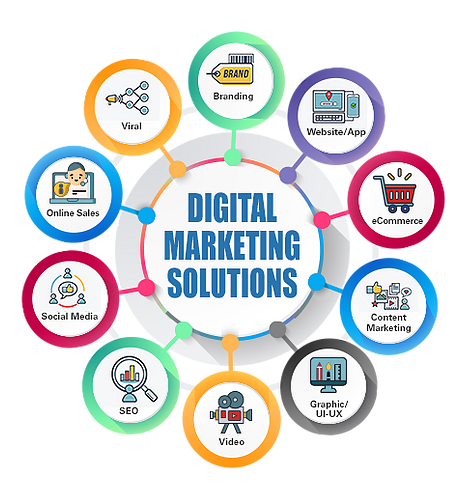
13. Digital marketing
The importance of the internet grows with every passing day, making it harder all the time for businesses to cut through the clutter and properly market themselves. Digital marketing services are always in demand, and many small and midsize companies would rather outsource it than establish a costly in-house team. If you’ve got chops in SEO, content marketing, pay-per-click, web development or social media management, you could have a business opportunity that allows you the freedom to work from home.
Digital marketing is an important part of a brand, so it’s critical for you to respond to developments in your clients’ marketing strategies. Social media management entails watching for comments and messages around the clock, not just scheduling posts in a “set-it-and-forget-it” mindset. If you enjoy strategizing and implementing plans meticulously, digital marketing could be the right business for you. You may also consider becoming an affiliate marketer, which is another form of digital marketing.
14. Food truck
With indoor dining limited in many locations right now, aspiring restaurateurs might find more success with a food truck. Food trucks come in all shapes and sizes, serving up a wide range of snacks and cuisines. Take your favorite style of food on the road and sell your culinary passions directly to hungry customers. Sure, you’ll be working, but you’ll be in a space you’re passionate about, with a chance to connect to people who have similar interests.
Food trucks might sound like a wild idea, but the industry is growing. The overhead and upkeep for a truck costs significantly less than owning a restaurant, and you have the added benefit of mobility. [Check out our recommendation on POS systems for your food truck.]
If you’re interested in serving up smiles, get more information in our guide to getting your food truck business rolling full speed ahead.
15. Lawn care service
If you grew up with a lawn, chances are your parents made you take care of it. For many of us, lawn care is bothersome, but for some, it offers a sense of peace and serenity. Working outdoors with your hands to tame and beautify the natural landscape can be a rewarding experience, and since so many people find the work tedious, it can also be profitable.
Lawn care services require little more than some basic equipment, a trailer and perhaps some staff, depending on how many clients you have and how big the jobs are. You can quickly grow a small lawn care service into a full landscaping company by offering premium services and establishing a reputation as a brand that does a thorough job with a smile. If you like working outdoors and creating elegant landscapes, this could be the business for you.
16. Rideshare driver
Source: LightFieldStudios / Getty Images If starting your own business seems daunting or too much of a risk, you can always use your car to become a rideshare driver. The overhead and responsibility of running the company falls on the rideshare service, giving you the freedom to work as much or as little as you need. Rideshare applications such as Uber and Lyft have enabled people to start side hustles that pay well and require little more than a willingness to drive people to their destinations and make occasional friendly conversation.
Rideshare drivers have the independence of a small business owner without the heavy workload required to manage the logistics behind the scenes. If any of the other business ideas seem like they require too much effort or upfront capital, ridesharing might be a great way for you to dip your toes into the world of entrepreneurship.
17. Real estate agent
For many people, navigating the housing market is overwhelming. As a real estate agent, you can help people find the home of their dreams at a price that fits their budget. In many states, you simply need to complete a few months of classes and pass an exam to qualify as a real estate agent. Even with a certification, you’ll get nowhere without basic people skills, so if you’re not a people person, this might not be the route for you. [Read related article: How to Become a Real Estate Agent]
18. Graphic designer
Corporations, small businesses and sole proprietors all need eye-catching promotional materials, but not nearly everybody has an eye for what looks good. If you’ve got an artistic streak and know how to organize content into a visually pleasing format, you can start a graphic design business to provide flyers, digital ads, posters and other engaging visual materials. Graphic design also has the benefit of requiring few physical tools beyond a laptop and a desk.
19. T-shirt printing business
Just like with graphic design, you might enjoy launching a T-shirt printing business if you’ve got a sharp artistic sense – or maybe you just enjoy taking someone else’s visuals and screen-printing them onto a blank shirt. Either way, if you have space for a T-shirt printing setup, you can easily get the necessary tools and start your small business.
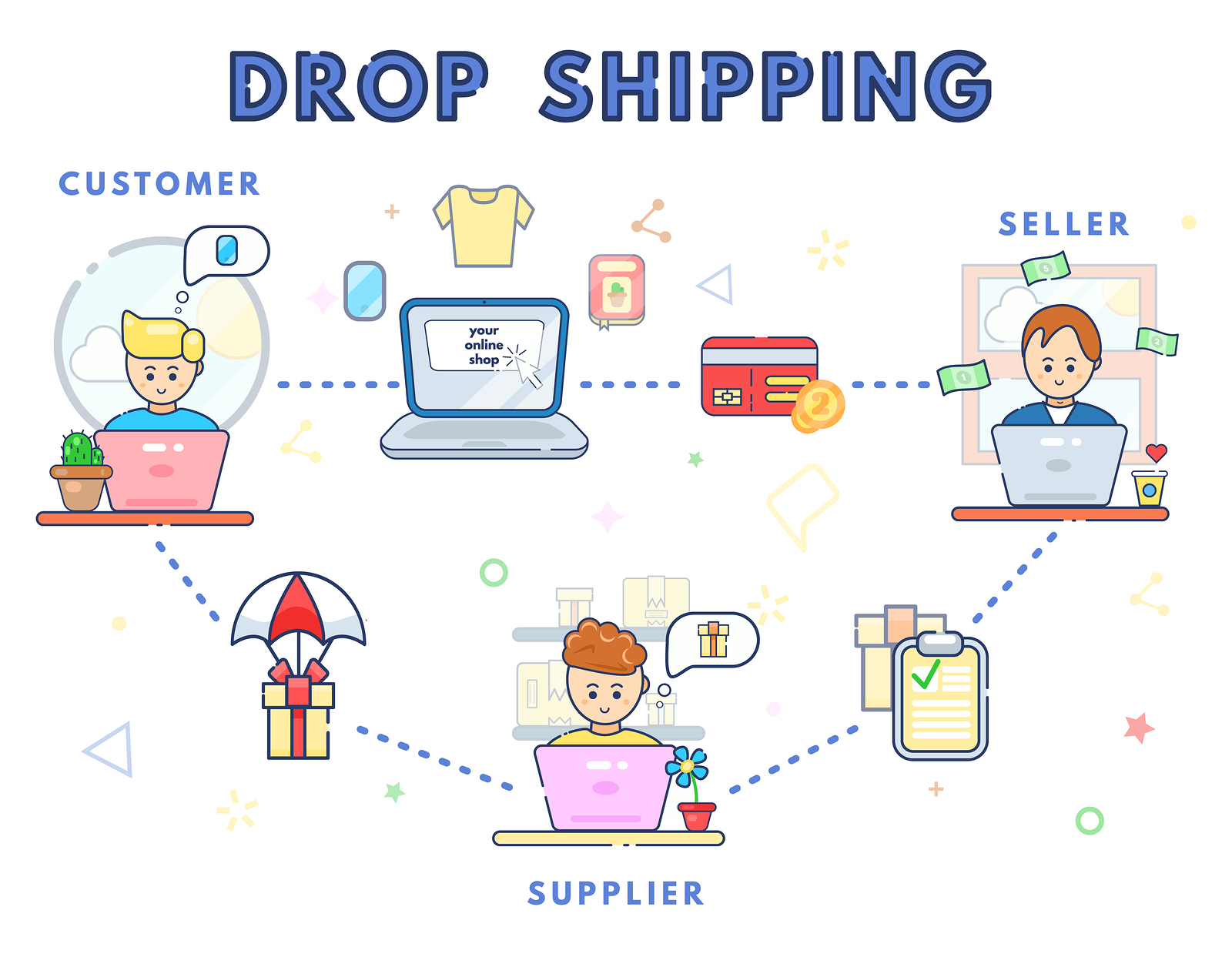
20.Dropshipping
Not all companies that sell goods store them onsite. In dropshipping, people who run e-commerce sites go to a third party to fulfill all orders. The third party is likely a wholesale retailer or other entity that runs a warehouse and shipping operation. The minimal inventory and tools needed for dropshipping make it an especially great startup idea if you’re worried about overhead and physical space.
21. Pet sitting
About two-thirds of U.S. families have a pet. When these families go away for extended periods and need someone to watch their pets for them, your pet-sitting small business can give them peace of mind. As a pet sitter, you’ll watch over your clients’ dogs, cats or other pets at their house, making sure to feed them, give them water, play with them, spend time with them, and (with dogs) walk them as needed. You’ll also need to regularly update your clients on how their pets are doing.
If you have other sources of income that require merely an internet connection and a laptop, pet sitting may be an especially apt small business idea. Almost all pet owners will be glad to let you do work on your laptop while you spend time at their home with their pets, meaning that you can run two income streams simultaneously.
What would be a good small business to start? If you’re concerned about maximizing your profit while minimizing your workload, a good small business to start might be any of the ones that most frequently prove successful. However, if you’re more interested in incorporating your passions into your work while earning enough money to live, a good small business to start is any that fulfills you, requires you to use your skills and offers you a good work-life balance. There are so many great business ideas that this question has no objectively correct answer – you know better than anyone what small business ideas will bring you happiness, success and stability.























 Global biztips